Kyoto, Spoleto
Enviado por ETC Staff el


Enviado por ETC Staff el
Enviado por ETC Staff el
Enviado por ETC Staff el

Enviado por ETC Staff el
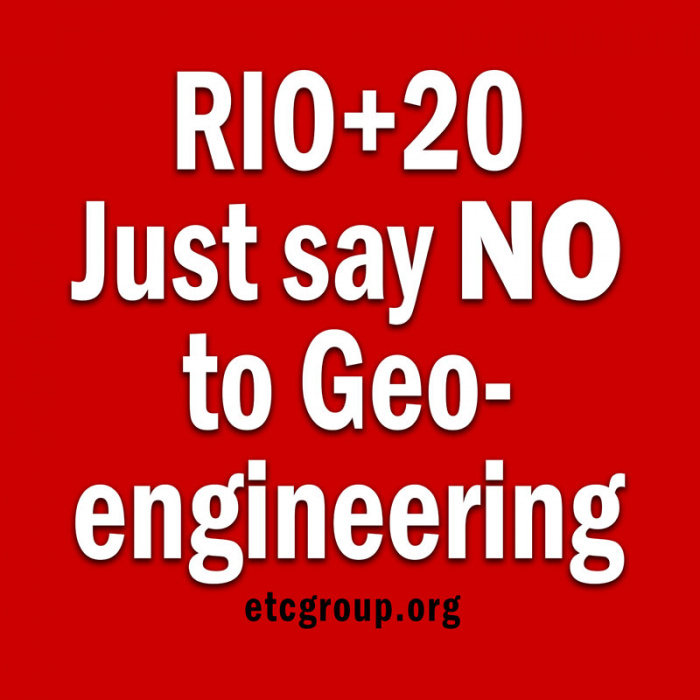
Les tengo buenas y malas noticias sobre el futuro de nuestro planeta. Primero las buenas noticias. El año próximo tendrá lugar una reunión global sobre el destino de La Tierra, una cumbre de abolengo. Formalmente llamada Conferencia de Naciones Unidas sobre Desarrollo Sostenible, esta reunión se conoce como RÍO+20 porque se realizará 20 años después de la primera Cumbre de la Tierra en Río en 1992.
Enviado por ETC Staff el
The global commercial seed market in 2009 is estimated at 27,400 million.
The top 10 companies account for 73% of the global market (up from 67% in 2007).
Just 3 companies control more than half (53%) of the global commercial market for seed.
Monsanto, the world’s largest seed company and fourth largest pesticide company, now controls more than one-quarter (27%) of the commercial seed market.
Dow Agrosciences – the world’s fifth largest pesticide company – made a dramatic re-entry on the top 10 seed company list in 2009 following a seed company-buying spree that included Hyland Seeds (Canada), MTI (Austria), Pfister Seeds (USA) and Triumph Seed (USA), among others.
Enviado por ETC Staff el
Enviado por ETC Staff el

El Grupo ETC publica un mapa mundial de la geoingeniería —la manipulación en gran escala de los sistemas planetarios. Si bien no existe en ningún otro lugar un registro completo de los tipos de proyectos e intentos de control climático, este mapa es un primer esfuerzo por documentar el alcance y expansión de la investigación y experimentación de geoingeniería en docenas de países. Casi 300 proyectos/experimentos de geoingeniería están representados en el mapa, correspondientes a 10 tipos diferentes de tecnologías para alterar el clima.
Enviado por ETC Staff el

Para una gran parte del mundo, la Cumbre Río+20 es la descomunal reunión que ocurre esta semana en Brasil —antes de las olimpiadas y después del jubileo de la reina Isabel. Para los miles de negociadores y observadores de la sociedad civil, incluyendo al Grupo ETC, quienes hemos seguido el proceso desde 2010, Río+20 terminó ya, antes incluso de que los “líderes” mundiales regresaran al aeropuerto internacional Galeão de Río de Janeiro. Con cinco miembros de nuestra organización y muchos aliados en el campo, el Grupo ETC ofrece un panorama que incluye algunas cosas buenas e inesperadas en esta fallida cumbre.
Enviado por ETC Staff el
It’s difficult to describe Rio+20 as anything other than a tragedy. Despite years of preparation and months of negotiations, nothing said or done in Rio can cover up not just the 20 lost years since the original 1992 Earth Summit – as seasoned delegates have quietly noted – but also the half-century of intergovernmental failures since Rachel Carson catalyzed the sequence of global environmental congresses following the publication of her book, Silent Spring, in 1962.
Enviado por ETC Staff el
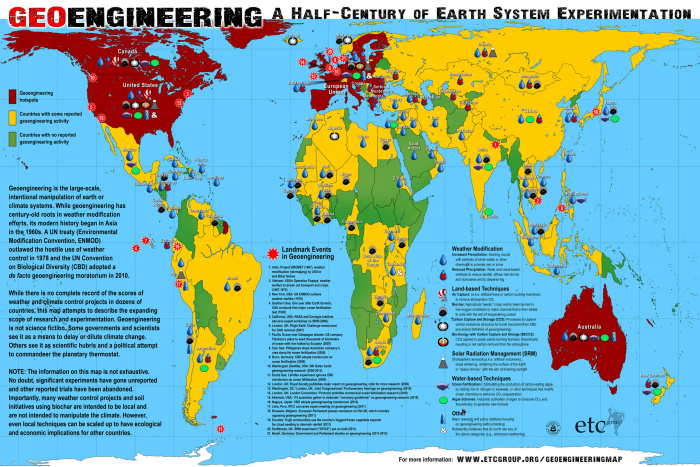
ETC Group publishes a world map of geoengineering -- the large-scale manipulation of earth or climate systems. While there is no complete record of the scores of weather and climate control projects in dozens of countries, this map is the first attempt to document the expanding scope of research and experimentation. Almost 300 geoengineering projects/experiments are represented on the map belonging to 10 different types of climate-altering technologies.
Enviado por ETC Staff el
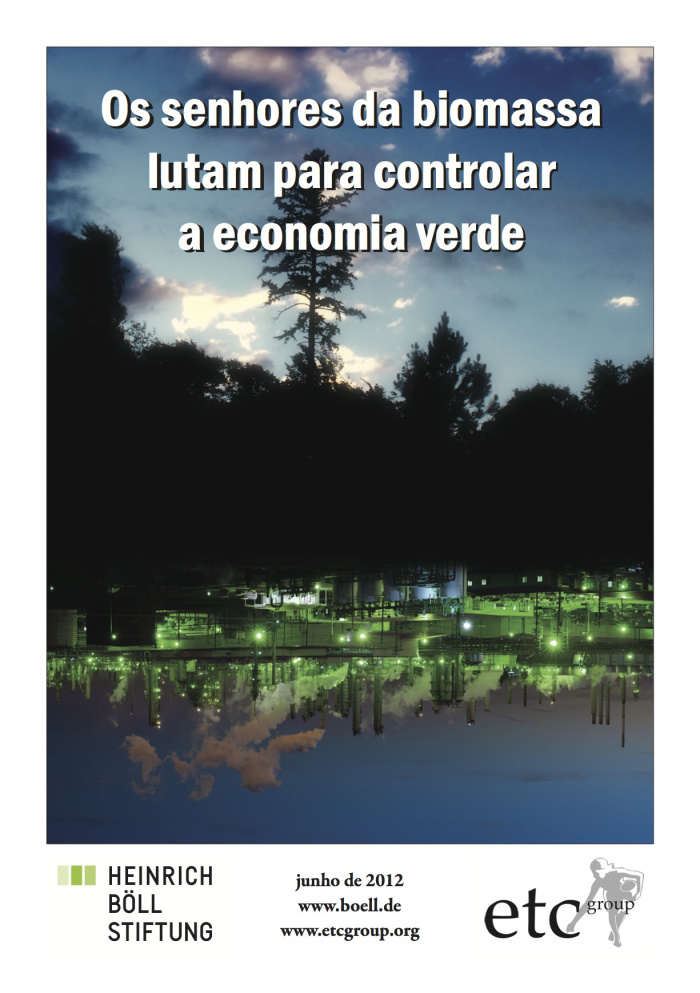
A ideia de “uma grande transformação tecnológica verde” que possibilita uma “economia verde” está sendo amplamente promovida como a chave para a sobrevivência do nosso planeta. O objetivo final é substituir a extração e refino de petróleo pela transformação da biomassa. Quem vai controlar a futura economia verde?
Neste documento conjunto, a Fundação Heinrich Böll e o Grupo ETC mostram quem são os novos ‘senhores da biomassa’ e argumentam que, na ausência de uma governança efetiva e socialmente responsável, a economia verde irá perpetuar a economia da ganância.
Enviado por ETC Staff el
La Royal Society, la plus ancienne académie des sciences du monde, s’apprête à rendre public, le 1er septembre 2009 à Londres, un rapport longtemps attendu sur la géoingénierie. On s’attend à ce que le document préparé par des experts, pour la plupart, des partisans enthousiastes de la géoingénierie, contienne des recommandations pour que les pouvoirs publics soutiennent la poursuite des recherches voire des essais grandeur nature de nouvelles technologies controversées permettant la manipulation délibérée du climat terrestre pour atténuer les effets du changement climatique.
Enviado por ETC Staff el
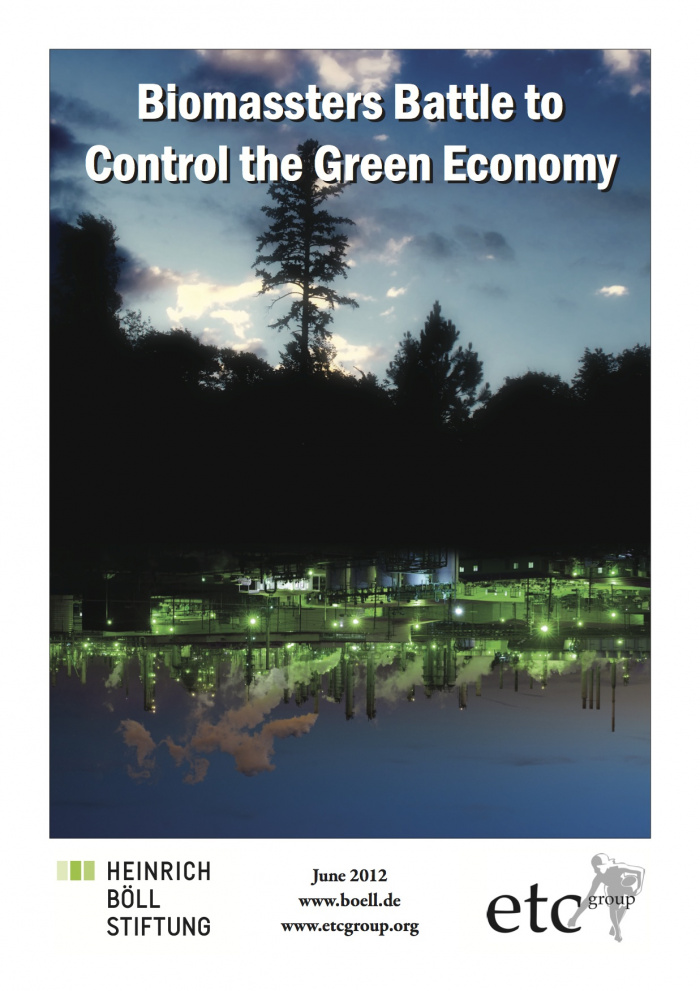
The notion of a "great green technological transformation" enabling a "green economy" is now being widely promoted as the key to our planet's survival. The ultimate goal is to substitute the extravtion and refining of petroleum with the transformation of biomass. Who will be in control of the future green economy?
In this joint report, the Heinrich Böll Foundation and the ETC Group reveal the new "Biomassters" and argue that in the absence of effective and socially responsive governance, the green economy will perpetuate the greed economy.
Enviado por ETC Staff el
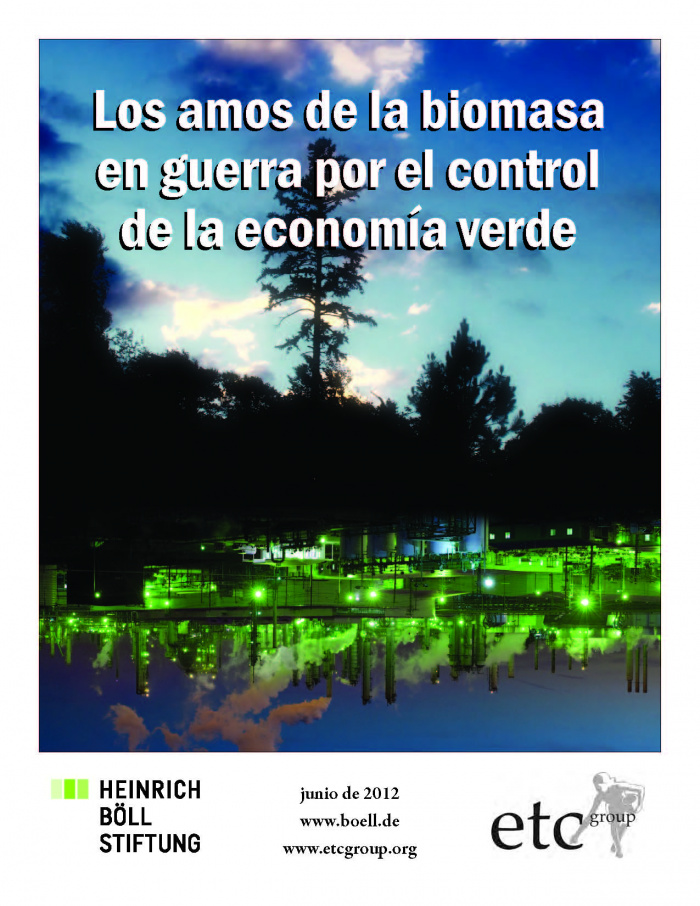
La noción de una “gran transformación tecnológica verde” que posibilitará una “economía verde” se promueve ampliamente como la clave para la supervivencia del planeta. El objetivo final, sustituir la extracción y procesamiento del petróleo por la explotación total de la biomasa. ¿Quién controlará el futuro de esta economía verde?
En este reporte conjunto, la Fundación Heinrich Böll y el Grupo ETC describen quiénes son los “amos de la biomasa” y porqué en ausencia de una gobernanza responsable, la economía verde perpeturá la economía de la avaricia.
What is the plan? How will we eat in a time of climate change? Pat Mooney lays out the path of organics and biodiversity, versus big biomass and synthetic biology companies.
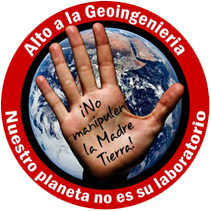
¡No manipulen la Madre Tierra! es una campaña global para defender nuestro único hogar, el planeta Tierra, contra la amenaza que representan los experimentos de geoingeniería.
La campaña ¡No manipulen la Madre Tierra! ofrece una plataforma común para organizaciones e individuos de todo el mundo para que manifiesten su oposición a los experimentos de geoingeniería. La campaña afirma que los océanos, cielos y suelos de nuestro planeta no deberían ser utilizados como laboratorios para estos “arreglos” tecnológicos injustos y riesgosos.
Enviado por ETC Staff el
Hands Off Mother Earth (H.O.M.E) is a global campaign to defend our one precious home, Planet Earth, against the threat of geoengineering experiments. You can join the campaign at http://www.handsoffmotherearth.org

Para saber más sobre el Grupo ETC o para contactarnos.